The Bedroom Producer Revolution: Why Major Labels Are Terrified
How technology democratised music production and what that means for the industry’s future
Twenty years ago, if you wanted to record professional-quality music, you had two choices: save up a small fortune or forget about it.
A basic 16-track recording setup in the 1980s would set you back around $20,500 AUD at the time, equivalent to roughly $78,000 AUD in today’s money. That’s before you even considered hiring engineers, producers, or renting studio time at $78+ AUD per hour. Professional commercial studios? They still cost between $312,000 and $780,000 AUD to build, sometimes reaching into the millions.
The music industry had a stranglehold on who could make music, and they liked it that way.
Then something happened that changed everything.
The Laptop That Killed the Gatekeepers
I remember the first time I opened Cubasis back in the early 2000s whilst living in London. It was clunky, limited, and running on a laptop with a soundcard that could barely handle two tracks without glitching. But I didn’t care. For the first time in my life, I could layer vocals, programme drums, and record guitar parts without booking studio time or asking permission from anyone.
That moment, multiplied by millions of musicians worldwide, is what’s keeping major label executives awake at night.
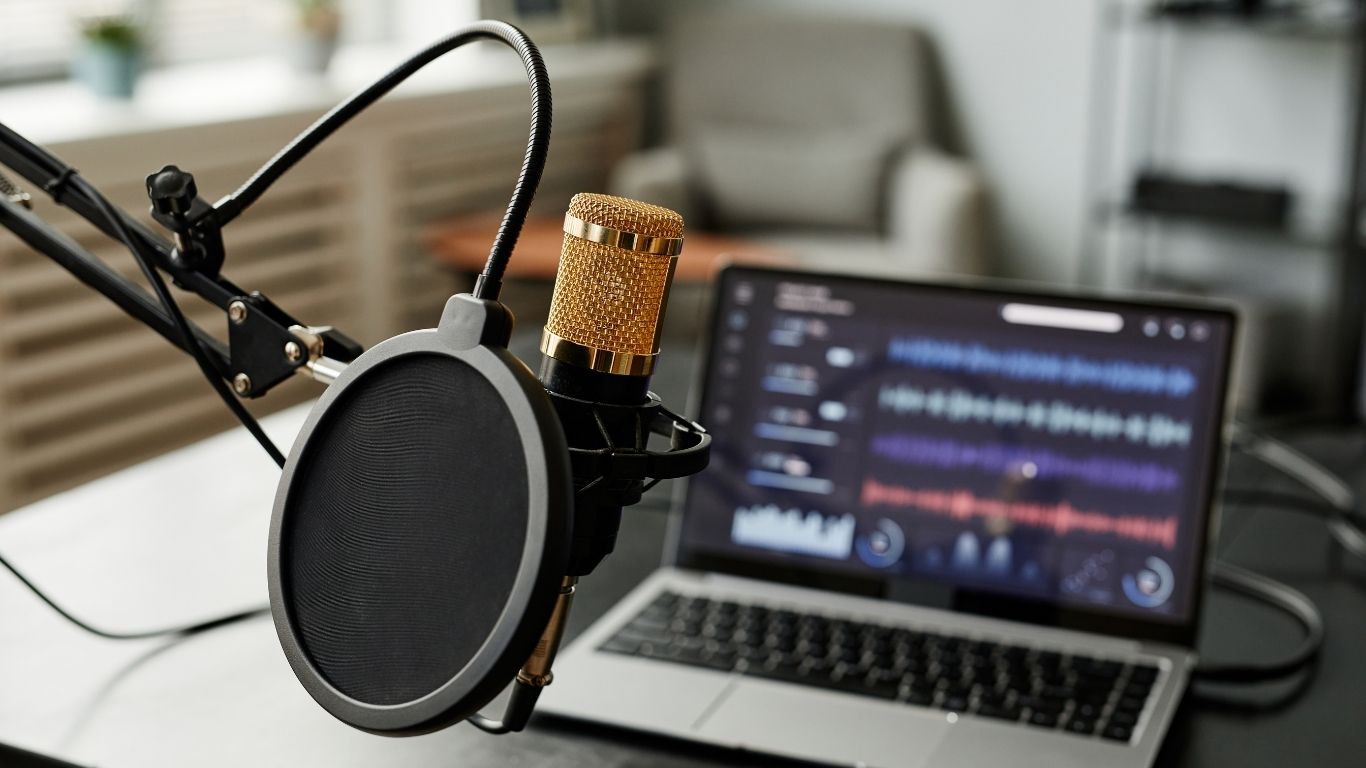
Today, you can build a functional bedroom studio for $780-$4,680 AUD. Not thousands upon thousands. Not a second mortgage. Less than a decent second-hand car.
Here’s what that gets you:
- A laptop or computer: $780-$3,120 AUD
- An audio interface (like the Focusrite Scarlett 2i2): $234 AUD
- Studio monitors (Yamaha HS7): $468 AUD for the pair
- A decent microphone (Audio-Technica AT2020): $156 AUD
- Headphones (Audio Technica M50x): $234 AUD
- DAW software: $312-$936 AUD (or free with options like Audacity, Reaper, or Cakewalk)
That’s it. That’s all you need to compete with the big studios.
And the major labels? They’re absolutely terrified.
When a Laptop and a Bedroom Beat the System
Let me tell you a story that perfectly encapsulates why the old guard is panicking.
Back in 2011, a kid from Sydney’s northern beaches named Harley Streten started posting tracks to SoundCloud and Bandcamp under the name Flume. He’d been making music on his first laptop, the one he’d bought as a teenager, in his bedroom at his parents’ house. He’d taught himself production using Ableton, mixing on KRK Rokit monitors, and absorbing every tutorial he could find online.
His self-titled debut album was completed on that laptop during a low-budget trip to London. The album debuted at number two on the ARIA Charts, initially behind One Direction, but then knocked them off the number one spot. It went double platinum in less than five weeks. Rolling Stone called it “scarily close to perfect.”
Harley Streten, known professionally as Flume, had created one of Australia’s most successful electronic albums in his bedroom, with gear he’d saved up for himself, teaching himself every aspect of production through trial, error, and an internet connection.
No major label funding. No expensive studio. No industry gatekeepers giving their approval. Just a kid with talent, a laptop, and access to the same technology that was once locked behind six-figure budgets.
This wasn’t supposed to be possible.
But here’s the thing: it’s not just happening occasionally. It’s becoming the norm.

The Billie Eilish Effect
When Billie Eilish and her brother Finneas swept the 2020 Grammys, winning Album of the Year, Record of the Year, Song of the Year, and Best New Artist, the music industry had to confront an uncomfortable truth.
The entire album, When We All Fall Asleep, Where Do We Go?, was recorded in Finneas’s childhood bedroom. Not a professional studio. Not even a fancy home studio. A bedroom. With a bed in it. Where he slept.
The equipment? An Audio-Technica AT2020 microphone (around $156 AUD), Logic Pro X, a Universal Audio Apollo 8 interface, and Yamaha HS5 monitors.
Finneas later tweeted: “People act like recording Billie’s album in my bedroom was difficult, but in reality, every time I’m in a fancy studio it takes them an hour to get the aux cord working.”
When he accepted the Grammy for Song of the Year for “Bad Guy,” Finneas dedicated the award to “all the kids making music in your bedroom.”
That statement wasn’t just an acknowledgement. It was a declaration of independence from the old system.
And it gets better. “Ocean Eyes,” the song that launched Billie’s entire career, was mixed and mastered by Finneas himself and uploaded to SoundCloud. As he put it: “That song saved our lives.”
No professional mixer. No mastering engineer. No major label involvement. Just a teenager with talent, a laptop, and the refusal to wait for permission.
The traditional music industry model just got publicly demolished at its own awards ceremony.
The Melbourne Busker Who Broke the Internet
Here’s another Australian story that shows just how completely the game has changed.
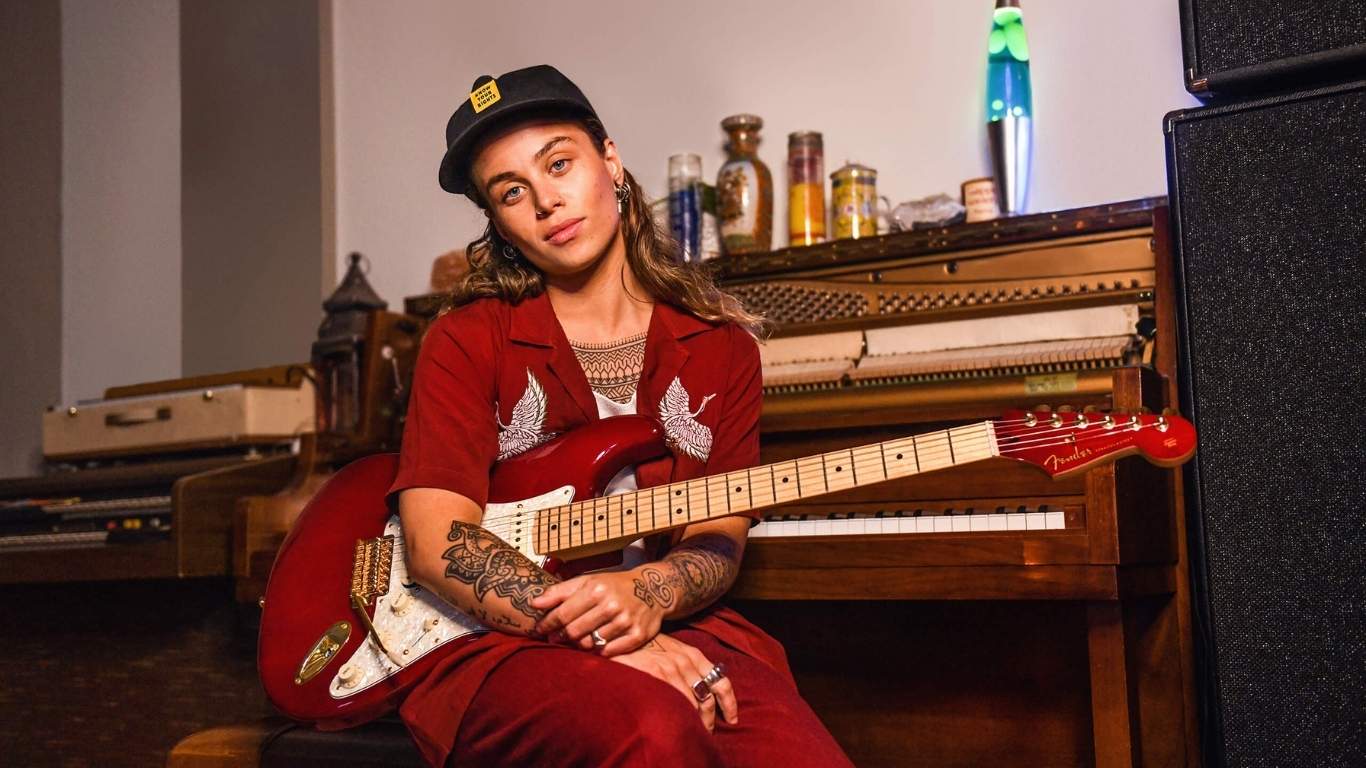
In 2016, a Melbourne multi-instrumentalist named Tash Sultana was busking on the streets around Melbourne, playing guitar and looping multiple instruments live. They’d been teaching themselves production and recording bedroom videos on YouTube since 2011, slowly honing their craft with whatever gear they could afford.
One day, Tash shared a bedroom recording of a song called “Jungle” on social media. Within five days, it had amassed over one million views. Today, it’s been viewed over 70 million times.
Those bedroom recordings, filmed in Tash’s home with basic equipment, led to sold-out shows at venues like Red Rocks Amphitheatre in Colorado (which sold out in five minutes), a debut album Flow State that went to number one on the ARIA Charts, and an MTV Unplugged performance that became the most-watched in the Australia-Pacific region.
All of it started in a bedroom, with an artist who’d taught themselves over a dozen instruments and learned production through experimentation and online resources. Tash now produces, engineers, and mixes all their own music at their own Lonely Lands Studio.
From busking on Bourke Street Mall to commanding international stages, without ever asking a major label for permission.
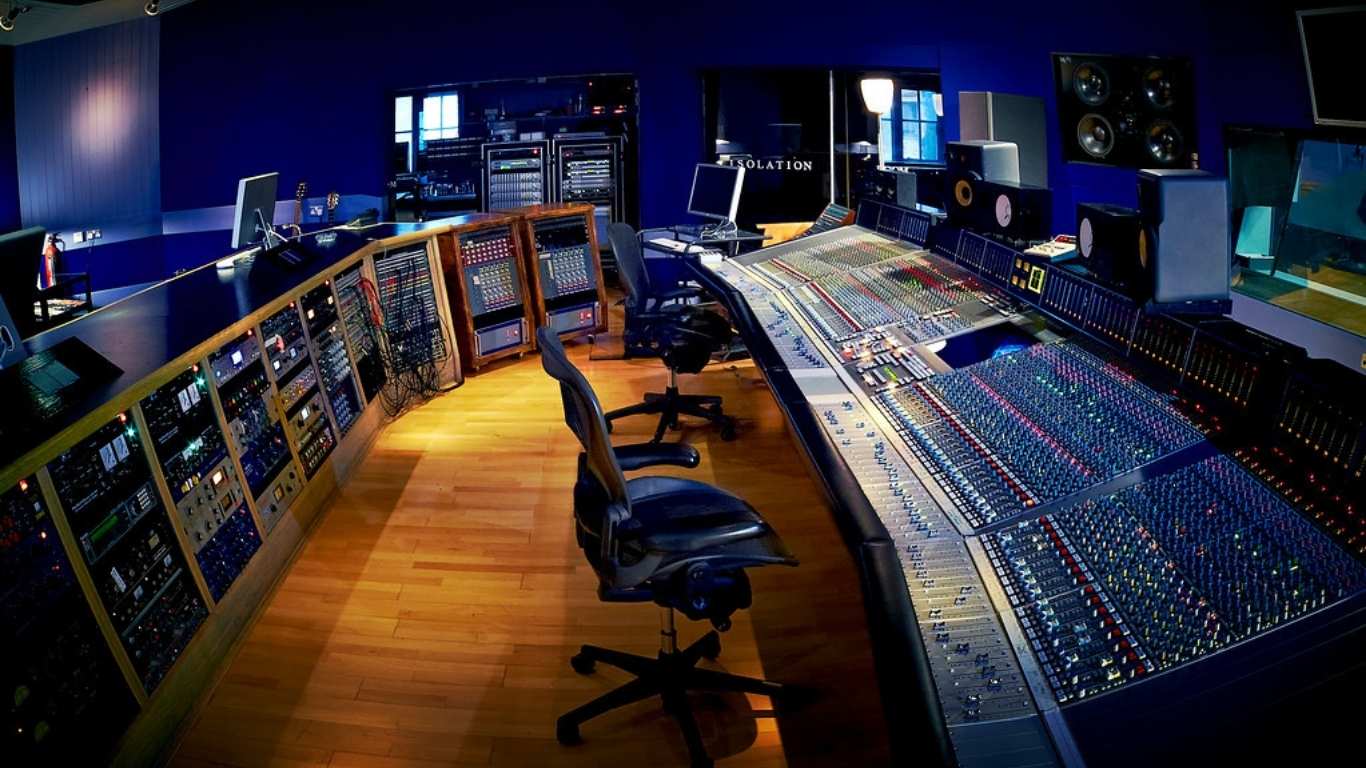
Why the Old Model Is Dying
For decades, major labels (Sony Music, Universal Music Group, and Warner Music Group) controlled roughly 65-70% of the global music market. They were the gatekeepers. The kingmakers. The only realistic path to a music career.
Their power came from scarcity. Recording equipment was expensive. Distribution was physical. Radio airplay was everything. If you wanted to make it as a musician, you needed them more than they needed you.
That scarcity no longer exists.
Digital Audio Workstations offer professional-quality tools that once required expensive studio equipment. Distribution platforms like Spotify, Apple Music, and Bandcamp let artists upload music directly to millions of listeners. Social media platforms like TikTok and Instagram provide direct access to audiences without radio gatekeepers.
The entire infrastructure that justified the major label system has been democratised.
And the labels know it.
Here’s the tell: between 2015 and 2017, major label spending on artists jumped from $4.4 billion AUD to $6.4 billion AUD. That’s a 45% increase in just two years. In 2015, labels spent 27% of their revenues on artists. By 2017, that figure had jumped to 33.8%.
Why? Because they’re desperate to stay relevant.
Artists no longer need labels to record music, distribute it globally, or build an audience. The only things labels can still offer are marketing budgets and industry connections, and even those advantages are shrinking as artists build direct relationships with fans through social media.
The smart labels have adapted. They’re creating joint ventures that give artists more control whilst providing infrastructure support. Billie Eilish’s deal with Darkroom/Interscope is a perfect example. She maintained creative independence whilst accessing label resources.
But make no mistake: this is a defensive strategy. The labels aren’t innovating. They’re scrambling to maintain relevance in a world that no longer needs them the way it once did.
The Real Revolution Isn’t Technical. It’s Cultural
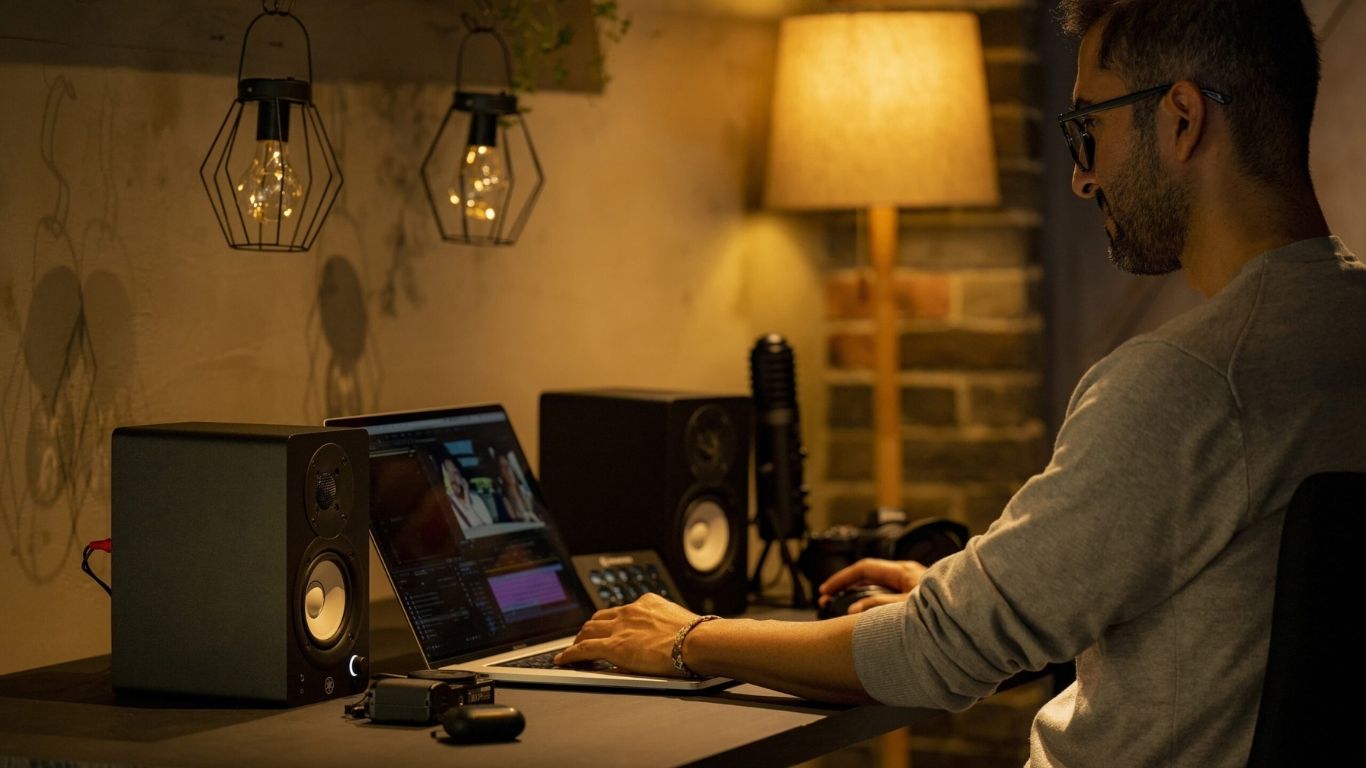
The democratisation of music production isn’t just about cheaper gear. It’s about who gets to make music and whose voices get heard.
Today, 46% of voice actors and musicians have invested under $1,560 AUD in their home studio equipment. Many started with even less. Pretty much 99% of music is now recorded into a computer at some point during the production process.
The bedroom has become a legitimate birthplace for professional music. Not “demo quality” music. Not “good enough for now” music. Grammy-winning, chart-topping, industry-defining music.
Artists like Clairo gained widespread attention with “Pretty Girl,” recorded in her bedroom with basic equipment. Australian producers are leading this charge globally. Flume, often credited as the pioneer of future bass, inspired an entire generation of Australian producers who saw that a kid from Sydney’s northern beaches could create platinum-selling albums on a laptop.
TikTok and SoundCloud act as incubators where bedroom producers reach global audiences in days. Songs go viral overnight. Artists bypass traditional gatekeepers entirely.
The question isn’t whether bedroom producers can make professional-quality music anymore. The question is why you’d pay hundreds of thousands of dollars for a commercial studio when you can achieve the same results at home.
What the Major Labels Won’t Tell You
Here’s what the industry doesn’t want you to know: the quality gap between professional studios and home setups has essentially disappeared for most genres of music.
Yes, if you’re recording a 50-piece orchestra, you still need a proper studio. But for rock, pop, hip-hop, electronic, indie, and most contemporary music, the difference between a $780,000 AUD studio and a $4,680 AUD bedroom setup comes down to the skill of the person using it, not the equipment itself.
I’ve been on both sides. I’ve worked in professional studios with gear that costs more than a house. I’ve also spent years building my own home studio, learning to record, mix, and master during COVID lockdowns when the rest of the world was baking sourdough.
The dirty secret? Most of the expensive gear in professional studios is compensating for poor room acoustics and providing options that 90% of musicians never actually need. The core tools (a decent computer, quality monitors, a good interface, and solid microphones) are essentially the same whether you’re in a million-dollar facility or a converted bedroom.
What matters is understanding how to use them.
And here’s the beautiful part: all that knowledge is free now. YouTube tutorials, online courses, forums, communities of producers sharing tips and techniques. Everything that used to require a university degree in audio engineering or years of apprenticeship in expensive studios is now available to anyone with an internet connection and the dedication to learn it.
I taught myself. So did Finneas. So did Flume. So did Tash Sultana. So did thousands of other producers who are currently making music that competes with, and often surpasses, major label productions.
The democratisation isn’t just about access to equipment. It’s about access to knowledge.
The Future Is Already Here
So where does this leave us?
The major labels aren’t going anywhere tomorrow. They still control significant market share and have resources that individual artists can’t match. But their role is fundamentally changing from gatekeepers to service providers. They’re no longer the only path. They’re one option among many.
The rise of AI and immersive technologies like virtual reality will only accelerate this trend. We’re approaching a point where artists might create and manipulate music in three-dimensional virtual spaces. The tools will keep getting better, cheaper, and more accessible.
Conservative estimates suggest there are now around 110,000 to 120,000 record labels worldwide, from global giants to bedroom-based operations. That explosion of labels reflects the explosion of bedroom producers who’ve realised they can do this themselves.
The bedroom producer era isn’t coming. It’s here. It’s a movement defined by creativity, accessibility, and the belief that music can thrive outside the traditional studio system.
And for those of us who’ve spent years being told that we needed industry approval, expensive studios, and major label backing to succeed? It’s about bloody time.
Why I’m Offering These Services Now
I’ve been making music my entire life, from banging on my nan’s pots and pans at three years old to building my own home studio during COVID lockdowns. Over the years, I’ve developed skills across every aspect of music production: recording, arrangement, mixing, mastering, and songwriting.
During the pandemic, whilst everyone else was stockpiling toilet paper, I was diving deep into production. I built a dedicated studio space, invested in quality equipment, and spent thousands of hours refining my craft. I released my first single, “Coming Down on Me,” and kept building my catalogue whilst learning to work with remote musicians from around the world.
The response to my productions has been incredible. People connect with the sound I’m creating. They appreciate the mix quality, the production choices, the way the songs sit together. Veterans reached out about “Veteran X.” Bikie clubs made up of former servicemen shared the music. Families who’d lost loved ones in conflicts sent messages saying the song spoke to something real.
That’s when I realised: I’m not just a musician anymore. I’m a producer, mixer, and mastering engineer with a professional-level home studio and years of experience across every stage of music creation.
So I’m making these services available.
If you like what you hear on my tracks (the production style, the mix quality, the overall sound), I can bring that same level of quality to your music.
What I’m Offering
Mixing: Send me your tracks and I’ll create a professional mix that makes your song compete with anything on the radio. I work remotely, so you can record wherever you are, and I’ll make it sound massive.
Mastering: Already got a mix you’re happy with? I’ll master it to industry standards so it translates well across all playback systems, from phone speakers to club sound systems.
Production: Need help taking your song from idea to finished product? I can handle full production (arrangement, instrumentation, programming, whatever the song needs to come alive).
Songwriting & Lyrics: Stuck on a verse? Can’t find the right words? I’ll collaborate with you to craft lyrics that say what you’re trying to express.
Remote Recording & Collaboration: You don’t need to be in Sydney. Record your vocals and guitar at home (as long as they’re in time to a click track), send me the files, and I’ll build the rest of the song around them.
The beauty of the bedroom producer revolution isn’t just that I can do this from home. It’s that you can work with me from anywhere in the world and get professional-quality results without the traditional studio costs.
How It Works
The process is simple:
- Head to my music production website: mixmasterstudio.com
- Check out the services and pricing
- Get in touch through the contact form
- We’ll discuss your project, what you need, and how I can help
- You send me your files (or we work together from scratch)
- I create magic
- You get back a professionally produced, mixed, or mastered track that sounds exactly how you imagined it, or better
I’m not a major label. I’m not a fancy studio with a receptionist and a coffee machine. I’m a working musician who’s spent years learning this craft because I love it, and I’m offering these skills to other artists who want their music to sound as good as it possibly can.
If you’re a bedroom producer yourself, or you’re just starting out, or you’re a seasoned musician who wants someone who actually understands what you’re trying to create, let’s work together.
Because here’s the truth: you don’t need a major label’s approval anymore. You don’t need a six-figure studio budget. You just need someone who knows what they’re doing and gives a shit about making your music sound incredible.
That’s what I do.
Visit mixmasterstudio.com and let’s make something great together.
The bedroom producer revolution has democratised music creation. The major labels are terrified because they know their monopoly is over. The question isn’t whether this is happening. It’s whether you’re going to be part of it.